EV Novated Lease FBT Exemption & Tax Rules Australia (2026–27)
Learn how the Australian EV FBT exemption works for eligible zero-emission vehicles, including LCT limits, GST treatment and novated lease salary packaging.
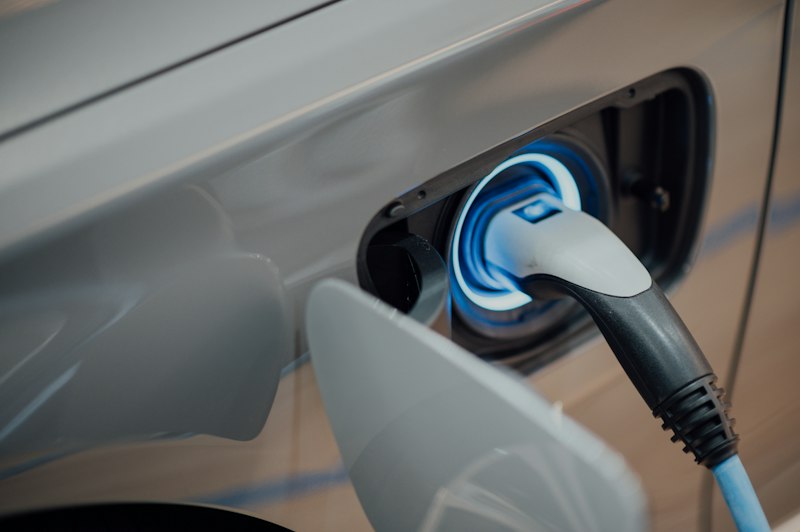
- ✓ Eligible Battery Electric Vehicles (BEVs) and Hydrogen Fuel Cell Vehicles (FCEVs) under $91,661 are 100% exempt from Fringe Benefits Tax (FBT).
- ✓ 100% of vehicle finance payments and eligible running expenses (charging, insurance, servicing, tyres, registration) can be paid from pre-tax gross salary.
- ✓ Save up to $6,353 in upfront purchase GST (representing the maximum GST component for the $69,883 car limit for 2026–27, subject to lease terms), plus potential GST savings on eligible running expenses.
- ✓ Employees earning between $80,000 and $180,000 typically save $4,000 to $9,000 annually compared to traditional car loans.
- ✓ Reportable Fringe Benefits Amount (RFBA) must still be calculated and reported on annual Income Statements for HECS/Medicare threshold testing.
The legislation surrounding motor vehicle ownership in Australia underwent a massive shift following the passage of the Federal Government's Electric Car Discount Bill. By introducing a statutory Eligible EV Fringe Benefits Tax (FBT) Exemption for eligible zero and low-emission vehicles packaged via a novated lease, salary packaging a new car has become one of the most powerful tax-minimization tools available to Australian workers.
This guide provides a comprehensive breakdown of statutory qualification criteria, pre-tax salary packaging mechanics, GST savings caps, and real-world financial comparisons.
1. What Makes an Electric Vehicle 100% FBT Exempt?
To qualify for the complete EV FBT exemption under Section 8A of the *Fringe Benefits Tax Assessment Act 1986*, a vehicle must meet three strict ATO statutory benchmarks:
2. Pre-Tax Salary Packaging Mechanics
Under a standard novated lease for petrol or diesel cars, employers must account for Fringe Benefits Tax (FBT) at a flat 47% rate on the taxable value (20% of the car's base value). To avoid FBT, employees must make post-tax contributions under the Employee Contribution Method (ECM).
With an FBT-Exempt Electric Vehicle, FBT is 0%!
This allows 100% of all vehicle outlays to be deducted directly from your gross pre-tax salary before income tax and Medicare levy are calculated:
-
•
Car Finance Repayments: Principal and interest amortisation.
-
•
EV Electricity & Charging: Home charging wallbox installations and commercial public fast-charging subscriptions.
-
•
Comprehensive Motor Insurance: Full annual coverage.
-
•
Scheduled Servicing & Repairs: Logbook maintenance, brake servicing, and battery diagnostic checks.
-
•
Tyre Replacements: Replacement premium tyres.
-
•
Registration & CTP Insurance: State government annual fees.
3. GST Purchase & Running Cost Savings
When packaging an EV through a novated lease, you benefit from two major GST tax exemptions administered under Australian GST tax law:
-
1
Upfront Purchase Price GST Exemption:
-
•
Employers can claim Input Tax Credits (ITCs) on the vehicle purchase price up to the ATO car depreciation limit ($69,883 for 2026–27).
-
•
This yields a statutory maximum GST credit of $6,353 ($ rac{1}{11} imes $69,883$).
-
•
For vehicles priced below $69,883, the upfront saving is the full $ rac{1}{11} ext{th}$ GST of the purchase price. For vehicles priced between $69,883 and the $91,661 EV LCT limit, the GST input credit is capped at $6,353.
-
•
This GST saving is passed directly to the employee by reducing the initial capital amount financed.
-
1
GST Treatment on Packaged Running Costs:
-
•
Depending on the employer's packaging structure and GST input tax credit pass-through, eligible running expenses (such as servicing, tyres, and charging) may be packaged net of GST, reducing your ongoing out-of-pocket costs.
4. Real-World Case Study: David’s Tesla Model Y Packaging
Let's examine how an Australian worker packages a new EV compared to a standard bank car loan:
Case Profile:
-
•
Employee: David Chen, IT Systems Architect (Melbourne, VIC)
-
•
Annual Gross Income: $120,000 per annum
-
•
Vehicle: Tesla Model Y Rear-Wheel Drive ($63,900 Driveaway)
-
•
Lease Term: 5-Year Novated Lease (15,000 km/year)
-
•
Annual Operating Costs: $3,800 (charging, insurance, rego, tyres, servicing)
Financial Comparison Table:
5. Reportable Fringe Benefits Amount (RFBA) Considerations
While EV novated leases are 100% exempt from paying FBT, the ATO requires employers to calculate a Reportable Fringe Benefits Amount (RFBA) and record it on your end-of-year Income Statement.
How RFBA Impacts Your Finances:
-
•
Does NOT increase your income tax or Medicare levy.
-
•
Is included in income tests for HECS-HELP compulsory repayment tiers, Family Tax Benefit (FTB), Child Support assessments, and Medicare Levy Surcharge thresholds.
6. Calculate Your EV Novated Lease Savings
Ready to compare pre-tax salary packaging savings against cash purchase or personal loans? Use Calcivo's Novated Lease Calculator.
Frequently Asked Questions
Have feedback on this guide?
Spotted a regulatory update or want to suggest a clarification?